For adult children caring for an aging parent
Company for Mom through the day. Quiet peace of mind for you.
A companionship service for aging parents at home — Tara talks with your parent every day, remembers what matters, and keeps your family informed. Help Mom or Dad stay independent.
Tara
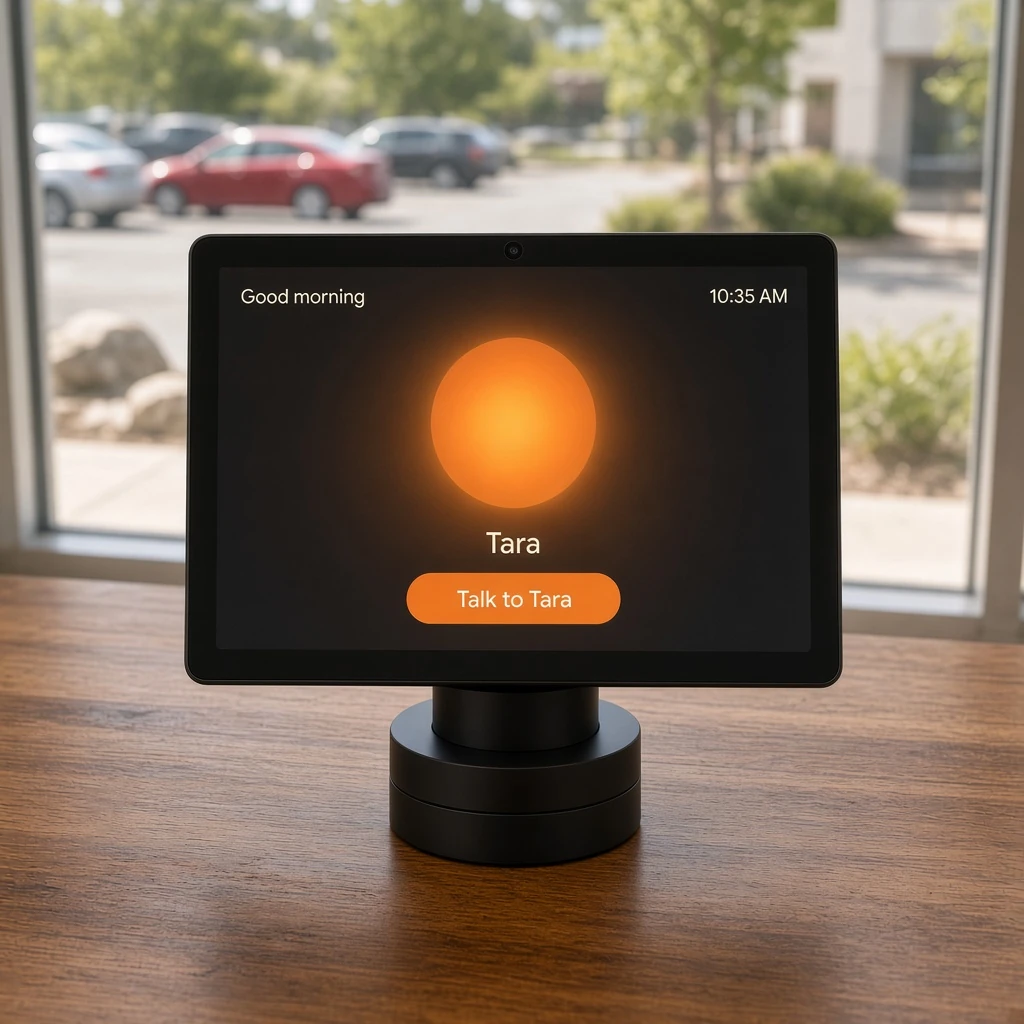
Here nowCompanion for Mom or Dad — holds daily context, places authorized outbound calls (pharmacies, appointments), and sends written updates with your parent’s say-so.
Talk with us →Merlin
Coming soonA home helper for chores — light fetching, tidying, and the small physical jobs that keep piling up.
Month to month, cancel any time. Non-diagnostic support — your caregivers and clinicians stay in control.
Work at a home care agency or hospital?
Notice → confirm → share → care team review
A companion smart display on a swiveling platform, with a fixed camera in the top bezel.
Daily conversation. Family updates. Peace of mind.
Adult children find company for a parent at home. Discharge planners introduce the home-health agency. Care continues at home.

Why now
They need help. They are not leaving their house.
That is the standoff most families are in. Mom or Dad needs more than a weekly visit, and they have made it clear they are not moving. They are usually right that home is the better place — what they actually need is company through the day, a hand with the chores, and real caregivers for anything physical. Sevah makes staying put workable, so “no” does not have to mean nothing changes.
How it works
Three steps, with a person helping you through each one.
Getting started begins with a conversation, not a checkout form. A care advisor walks through the setup with you, and nothing is charged until the two of you agree on a start date.
01
Tell us about your parent
Leave your details and a care advisor calls you back. You talk through what your parent actually needs day to day, and you get your questions answered before anything happens.
02
We set Tara up with you
The Tara arrives ready to use. Your advisor walks you through where to place it and how to get it online, on a scheduled call. There is nothing to assemble and no technical skill needed.
03
Your parent talks. You stay informed.
Your parent has check-in conversations through the day, with no smartphone to learn. With their consent, the family circle you choose receives written updates.
What you get
What Sevah actually does.
Four things, stated plainly. Everything else on this page is detail underneath them.
Holds continuous context
Never starts from zero
- Remembers your parent's daily routines, preferences, and timeline
- Natural check-in conversations — no smartphone or apps needed
- Maintains ongoing history across weeks, not isolated sessions
Calls on your parent's behalf
Outbound coordination
- Calls pharmacies to verify prescription refills and delivery times
- Confirms and updates appointments with doctors' offices
- Coordinates arrival windows with home care aides and services
Keeps family in the loop
Shared clarity
- Consent-based written updates sent straight to your family circle
- Clear confirmation logs whenever Tara places a call on parent's behalf
- Siblings share the same picture, removing the burden from one person
Liaison, not clinical care
Clear boundaries
- Administrative coordination and companion support only
- Non-diagnostic — clinicians and doctors stay in full clinical control
- One request to your care advisor pauses all sharing or calling
For families
Caring for an aging parent from a distance?
Tara is the warm, daily presence your parent can actually talk to — kind check-ins, useful reminders, and reassurance for you, even from miles away. Request a call and a coordinator handles the rest: placement, setup, and a start date that suits your family.
- A daily check-in conversation your parent can use without a smartphone
- Written updates for the family circle your parent consents to
- Reminders for the routines your parent already follows
- A care advisor helps with setup on a scheduled call
- Month-to-month — cancel any time, no long-term contract
Curious about the chores side? Join the Merlin waitlist — in development, no payment and no commitment.
Sevah is non-diagnostic support and does not replace a caregiver, a clinician, or a care plan.

The Caregiver App
Always know how Mom & Dad are doing.
The Sevah companion app keeps your entire family circle connected to daily routines. View daily companionship highlights, drop in with audio broadcasts or video calls, and verify appointment logs in real time.
Daily Summaries & Care Logs
Consent-based updates after check-in conversations, sent straight to your phone.
One-Tap Video & Voice Broadcasts
Drop in easily without requiring your parent to fiddle with smartphone buttons or complex apps.
Smart Calendar & Appointment Scheduling
Coordinate doctor visits, therapy, and rides directly around your caregiver calendar — preventing double-booking and schedule conflicts.
Multi-Family Circle Access
Keep siblings and trusted family members on the same page with shared access.


Talk to her yourself
Meet Tara, right here on this page.
Turn your sound on and say hello. This is a real conversation, not a recording — the same voice your parent would hear, and you can hear exactly how she speaks to them before you decide anything.
You are talking to a demo. The person in it is made up, and no real patient information is used. Tara is non-diagnostic support and does not replace a caregiver or a clinician, so nothing here is a clinical system or a substitute for one.
Requires microphone access to talk to Tara
Open full screenTwo kinds of help
Tara for companionship. Merlin for chores.
Tara is the conversational command-and-control interface — holding daily context, placing calls on your parent’s behalf, and directing care workflows and robot tasks by voice. She is here now.
Merlin is coming in Q1 2027 for the physical jobs: light fetching, tidying, and the everyday chores commanded through Tara. It is our home-helper robot, built to lend safe hands around the house.
Meet Merlin — coming soon →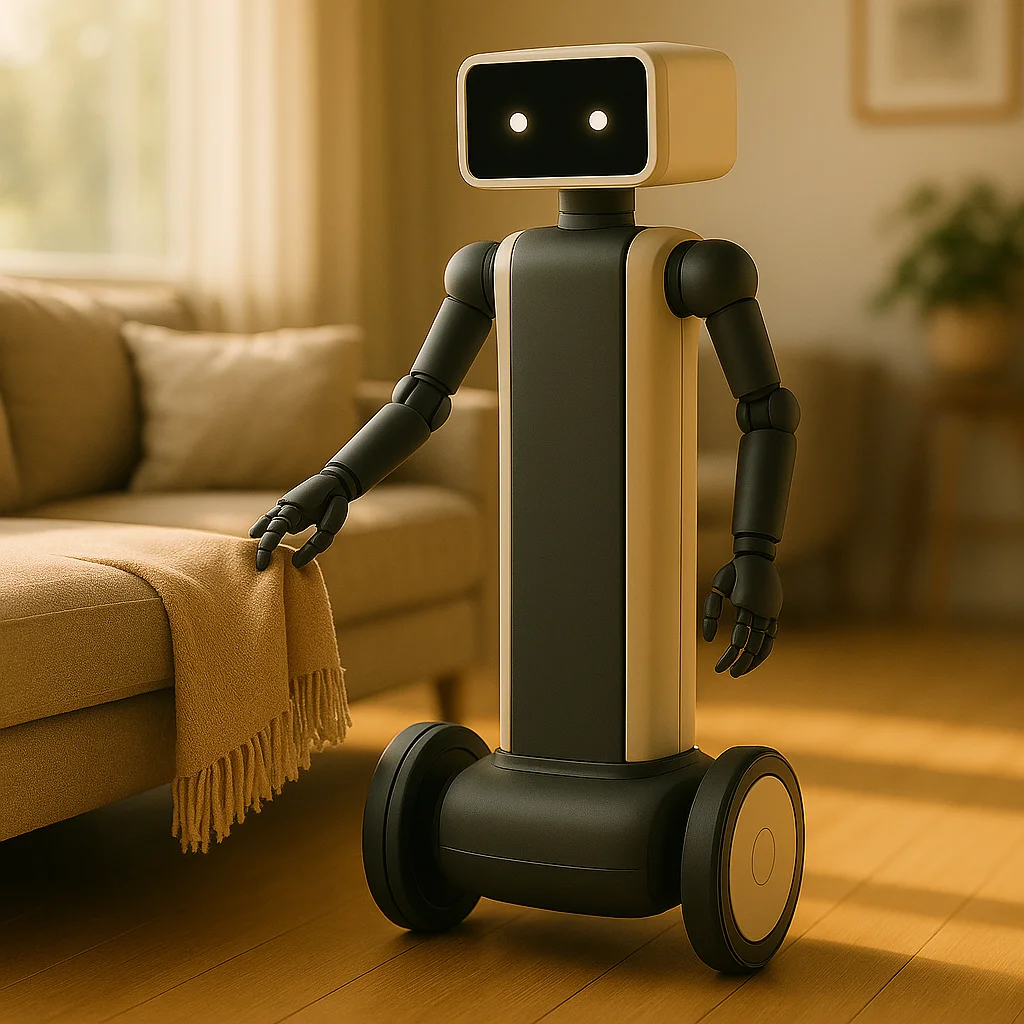
Tidying up

Fetching things
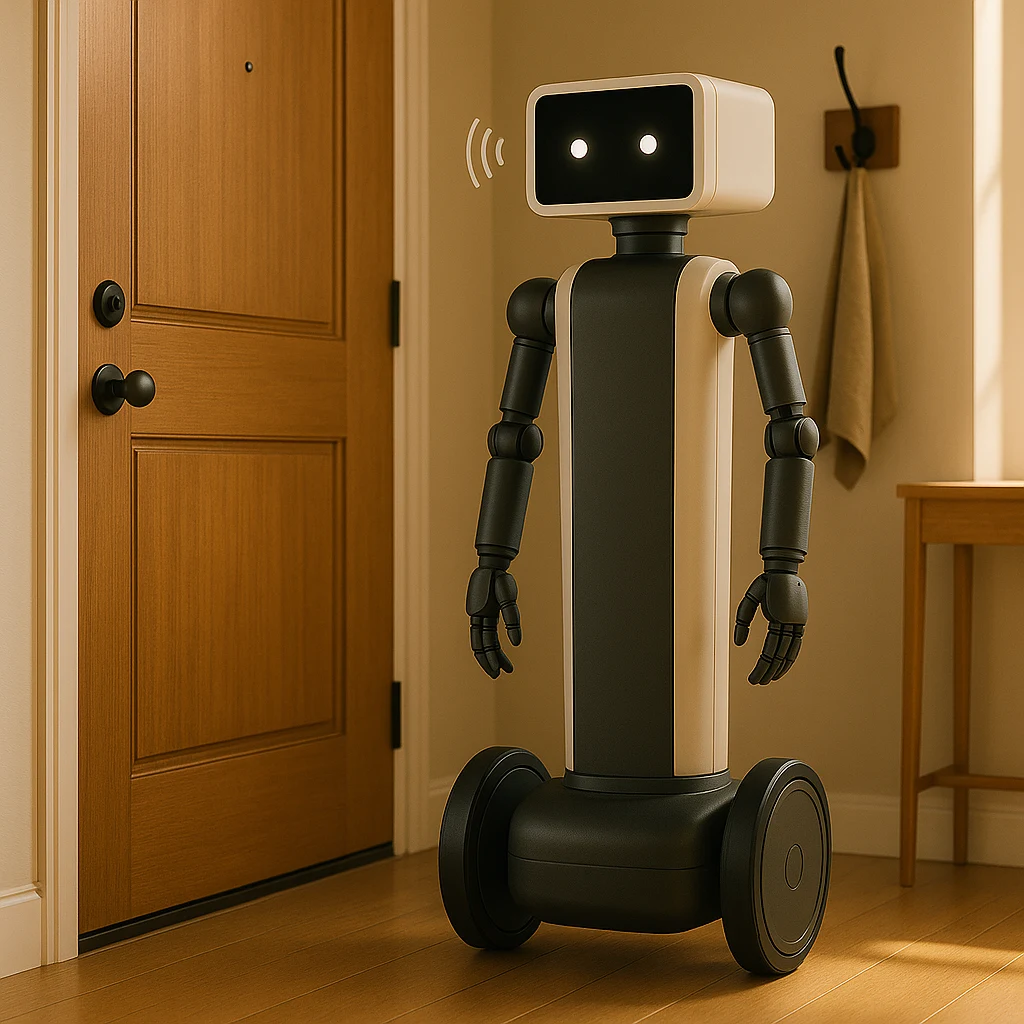
Answering the door
Care that stays human
A clear role in your parent’s day.
Tara is here for companionship and conversation. Caregivers, family, and your parent each keep their own important role.
Company through the day
Tara brings conversation, check-ins, and a familiar voice to the ordinary parts of your parent’s day.
Caregivers stay central
Tara supports the people already caring for your parent, helping everyone stay connected around what matters.
Your parent chooses what to share
Your parent consents first. The family circle receives clear written updates, with no continuous recording archive.
Flexible support
Month to month, with a care advisor who helps you get set up and stays reachable when you need a person.
For care organizations
Running a home care agency, or planning discharges?
Families are who we build for, but they are rarely the only ones involved. Sevah also runs as a program: Tara keeps daily context flowing to the team already supporting the member, so caregivers spend their visits on hands-on care instead of catching up on what they missed.
01
Home-based cohort
Start with members at home, where daily engagement and timely, context-aware outreach can make a practical difference.
02
Caregiver workflow
Connect daily context to the caregivers and care team already supporting the member, so nothing falls through the cracks between visits.
03
Measured expansion
Expand only after the at-home program demonstrates a safe, useful workflow and the right eligibility and care-pathway fit.
No patient data changes hands on this call, and we will not quote you outcome numbers we cannot show you the workings of.
Team and credibility
Built for care that fits where people live.
Sevah is built by an experienced team of healthcare operators, clinicians, and robotics engineers based in Palo Alto, California. We keep care boundaries unambiguous: Tara supports daily communication, coordination, and companionship, while families and licensed caregivers stay in full control.
Engineering, AI safety, and care operations based in Silicon Valley.
Dedicated care advisors support placement, setup, and ongoing family coordination.
Clear clinical boundary — doctors and care teams retain all clinical responsibility.
No continuous recording archive. Your parent chooses what to share with the family.
Events
Come see Tara live.
Meet the team, watch Tara in action, and get your questions answered.
Taking Care of Your Parents
Join Sevah Robotics for a live conversation on caring for aging parents — how Tara supports daily routines, family updates, and peace of mind.
Register for EventField notes
Notes from building Tara.
Deeper product and engineering context lives here, below the core homepage thesis.
What at-home support for an aging parent actually costs.
Most families start pricing home care the week after something scares them. Here is how the money actually works — hourly agency care, informal family coverage, and what a monthly subscription covers instead — so you can compare options without guessing.
How to start a home care agency.
The senior population is growing faster than the workforce built to care for it at home. A detailed, practical walkthrough of what it actually takes to open a home care agency — licensing, structure, insurance, staffing, software, and marketing.
Presence, and soon, hands.
Companion sits with someone and keeps the conversation going. The device we're building next handles the physical chores around the house. Here's the plan, and what's real today.