The product
Someone to talk with when you can't be there.
Companionship for your aging parent at home. Tara listens, makes calls on their behalf, and keeps you in the loop — so your parent stays supported at home.
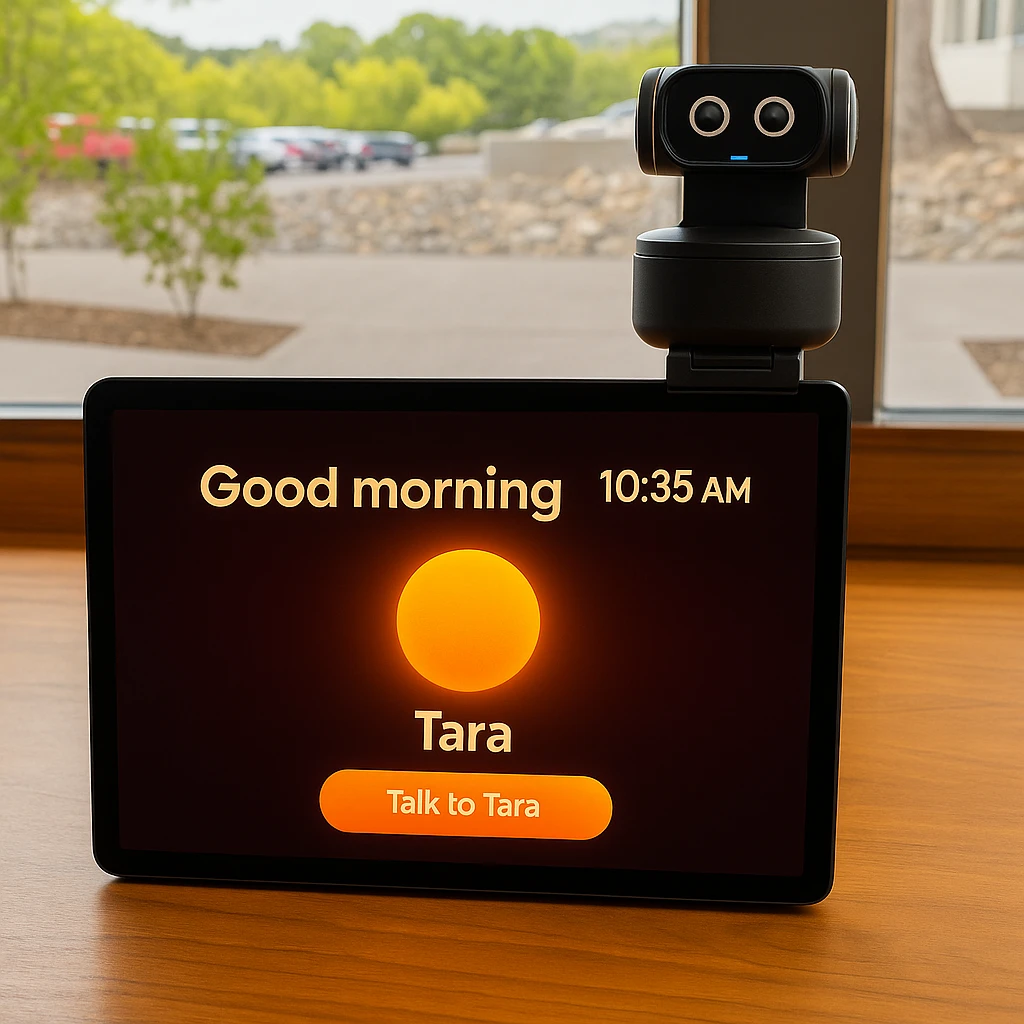
Elder-friendly screen
Large text, one clear button, nothing technical to learn.
Voice conversation
Tara talks and listens — no remote, no typing.
Connected on day one
Runs on the home's Wi-Fi — a care advisor sets it up during installation.
How it works
Daily conversation becomes care coordination.
Tara talks with your parent every day, makes authorized calls on their behalf, and keeps your family informed.
1. Tara talks with your parent.
Daily conversation, check-ins, reminders, and reassurance — the warm presence your parent can actually talk to.
2. Tara makes calls on their behalf.
With your parent's say-so, Tara places authorized calls to pharmacies, doctors, and care teams — confirming refills, appointments, and schedules.
3. You get written updates.
Tara sends short written updates to your family circle, so you know how your parent is doing even from miles away.
The device
Built for everyday care.

Easy conversation.
Tara responds naturally, without asking people to learn an app or reach for a button.
Privacy by design.
Tara is quiet until she is needed. She wakes up for a conversation, then settles back down. No continuous recording.
Authorized outreach.
Tara places calls on your parent's behalf only with their say-so — checking refills, confirming appointments, coordinating with care teams.
Written updates to family.
Short notes about how the day went, sent to the family circle. You stay connected without hovering.
Connected on day one.
Tara connects over the home's Wi-Fi. A care advisor sets it up during installation — nothing technical for your parent to figure out.
Not a medical device.
Tara is companionship, reminders, and coordination. She does not diagnose, treat, or replace a care plan.
Family & Caregiver App
Peace of mind in your pocket.
Stay effortlessly connected to your parent's daily routines. Receive structured summaries, review call logs, check in via video or intercom, and coordinate with family from anywhere.

At-a-Glance Dashboard
Real-time device connection, daily companionship updates, and instant one-tap outreach options.

Daily Context & Chat
Review conversational milestones, daily mood, and questions your parent asked throughout the day.

Direct Video & Intercom
Drop in with instant audio announcements or high-definition face-to-face calls with zero friction for your parent.

Care Calendar & Activity Log
Sync doctor visits, therapy, and caregiver check-ins directly with your family calendar — with real-time logs for pharmacy refills and appointment confirmations.
✓ Shared across siblings & care circle

Instant Voice Announcement
Send a warm spoken audio message to Tara when your parent is relaxing in the living room — no phone ringing or pickup needed.
✓ Plays clearly through Tara's speaker
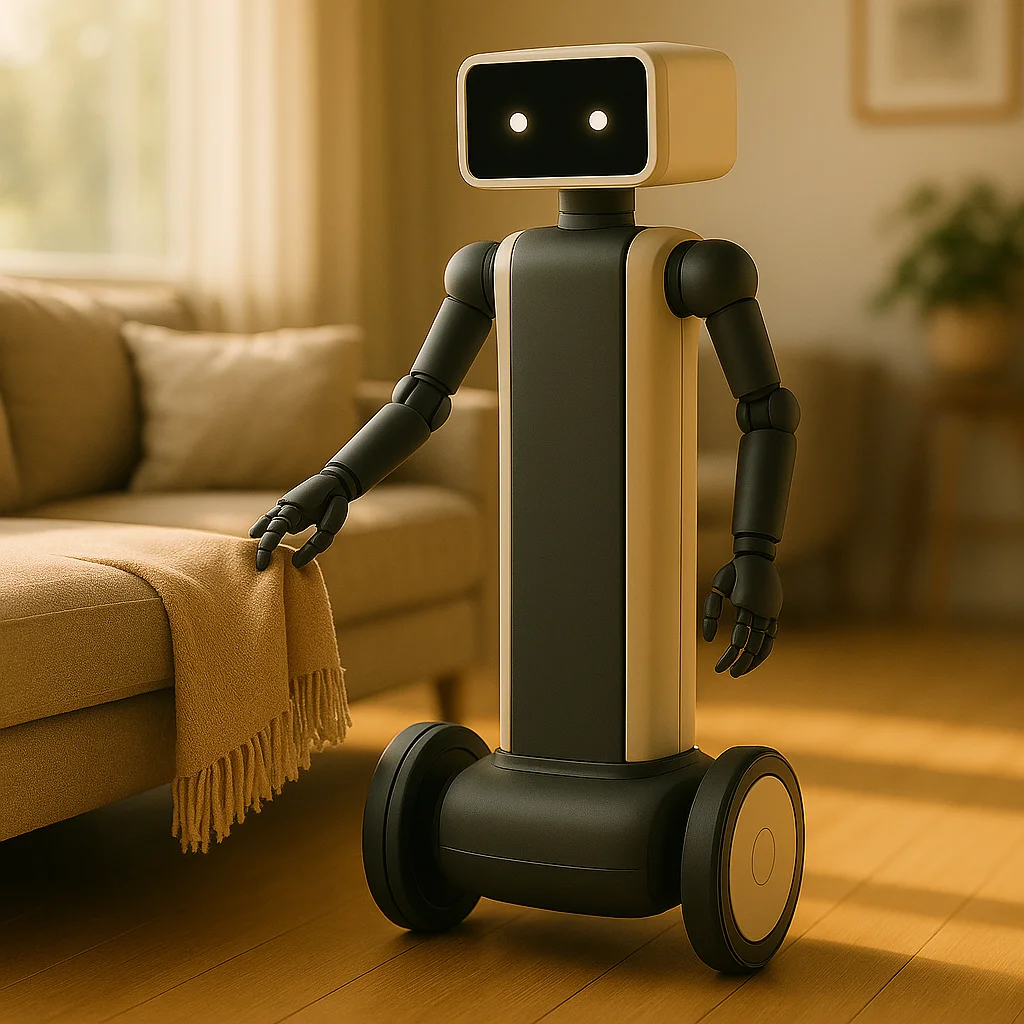
Tidying up
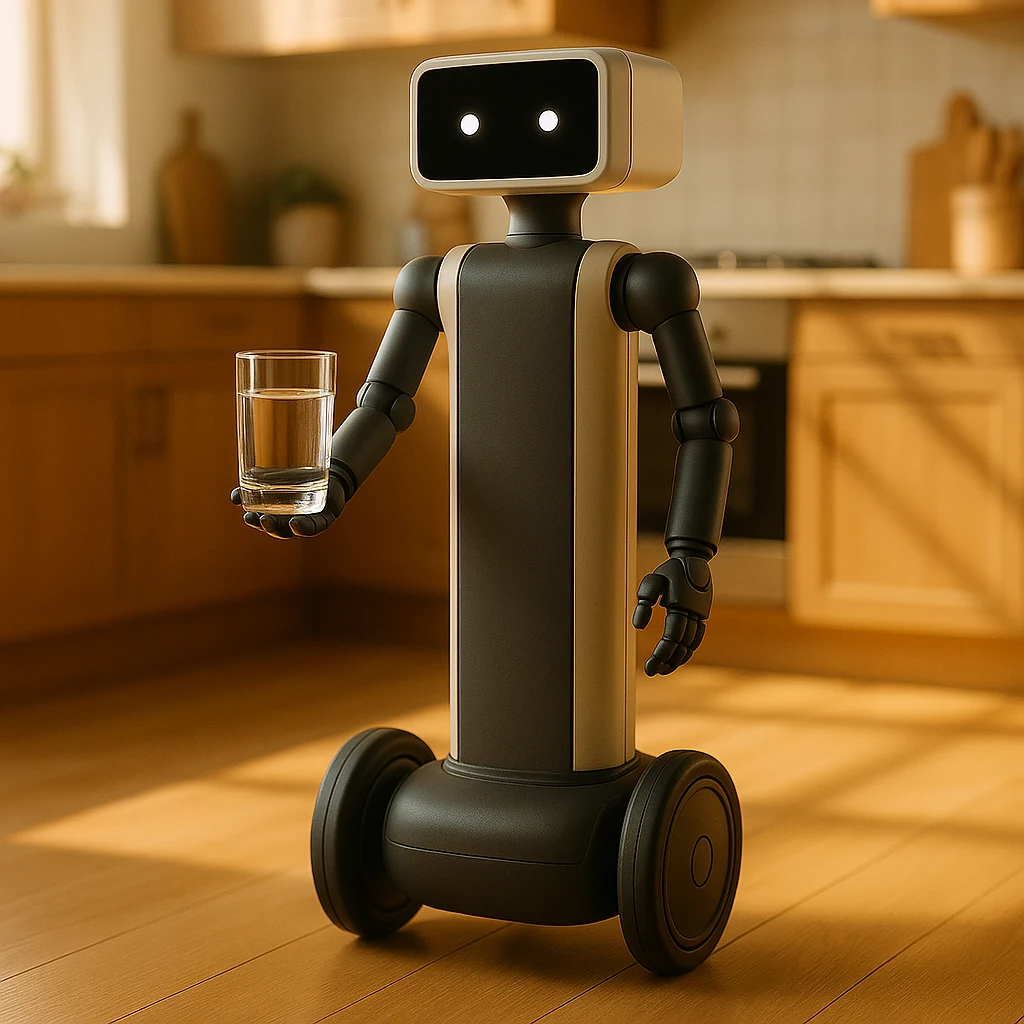
Fetching things
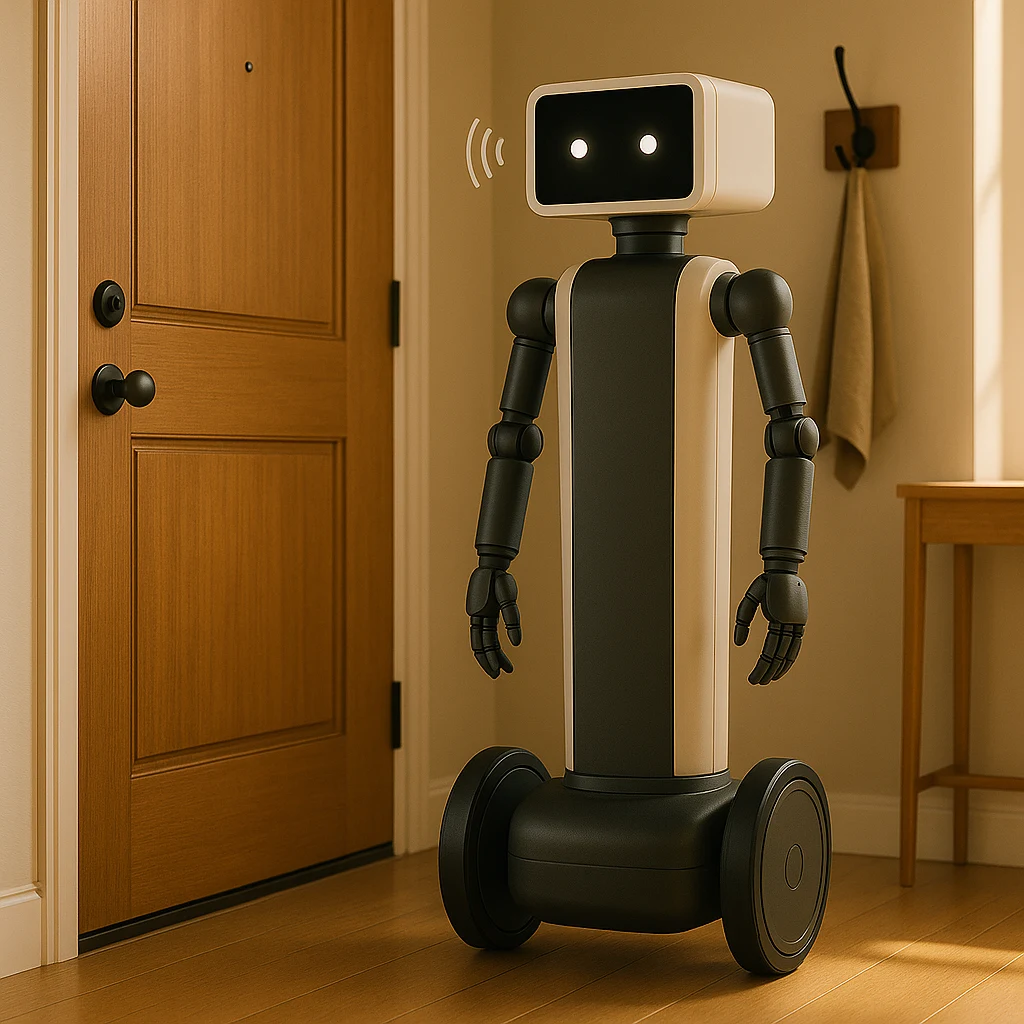
Answering the door
Building next
Merlin for the chores.
Tara is built to stay put — presence, conversation, and daily context. Housework is a different job. We are building a second device for that: a bimanual home-helper robot that tidies up, fetches things, and answers the door — the physical tasks Tara cannot do.
Merlin is in development and not yet available for purchase. We are targeting a March 2027 launch.
Your parent's home stays theirs
Privacy your parent can feel, not just a policy.
- Tara is quiet until she is needed. She wakes up for a conversation or a check-in, and when it is over she settles back down.
- Your parent stays in control. Nothing is shared until they agree to it, and they choose who is in the family circle.
- Only what matters gets written down. A short written note, kept for the one reason it was reviewed, and then let go.
- Tara is non-diagnostic support. She does not diagnose, treat, or replace a care plan.
- Your family's information is never sold. Not to advertisers, not to anyone, ever.
Get started
Give your parent company.
Request a call, a coordinator handles setup, and Tara starts talking with your parent on day one.
FAQ
Product, answered
What does Tara do?
Tara is a companion for your aging parent at home. She talks with your parent daily, holds context about their routines and needs, places authorized outbound calls on their behalf (pharmacies, doctor appointments, care teams), and sends written updates to your family circle.
Does Tara record or store video?
No. Tara is a voice companion, not a camera system. She listens during a conversation and writes a short note about what mattered. She does not record continuous video or keep an archive of footage.
Is Tara a medical device?
No. Tara is non-diagnostic support. She does not diagnose, treat, or replace a care plan. She is companionship, reminders, and coordination — not medical care.
How does Tara connect?
Tara connects over the home Wi-Fi during a simple setup. A care advisor installs it for your parent, so there is nothing technical for them to figure out.
What about Merlin?
Merlin is our in-development home-helper robot for physical chores — tidying, fetching, answering the door. Tara handles conversation and coordination; Merlin will handle the physical tasks. Merlin is not yet available for purchase.
How do families get started with Tara?
Request a call and a care advisor follows up about setup for your parent. We do not publish a public rate card. Month-to-month, cancel any time, and you can return the device.
Give your parent company.
Request a call so a care advisor can handle setup for your parent. Nothing is charged on this page.