For Residents
A companion
introduced through your community.
Sevah is being introduced with assisted living communities evaluating resident-experience and wellness workflows. This page is for residents, families, and proxies who want to understand that community-led pilot path before making an introduction.
Use this if you want help connecting Sevah to the right administrator, care leader, or care team contact.
The reality today
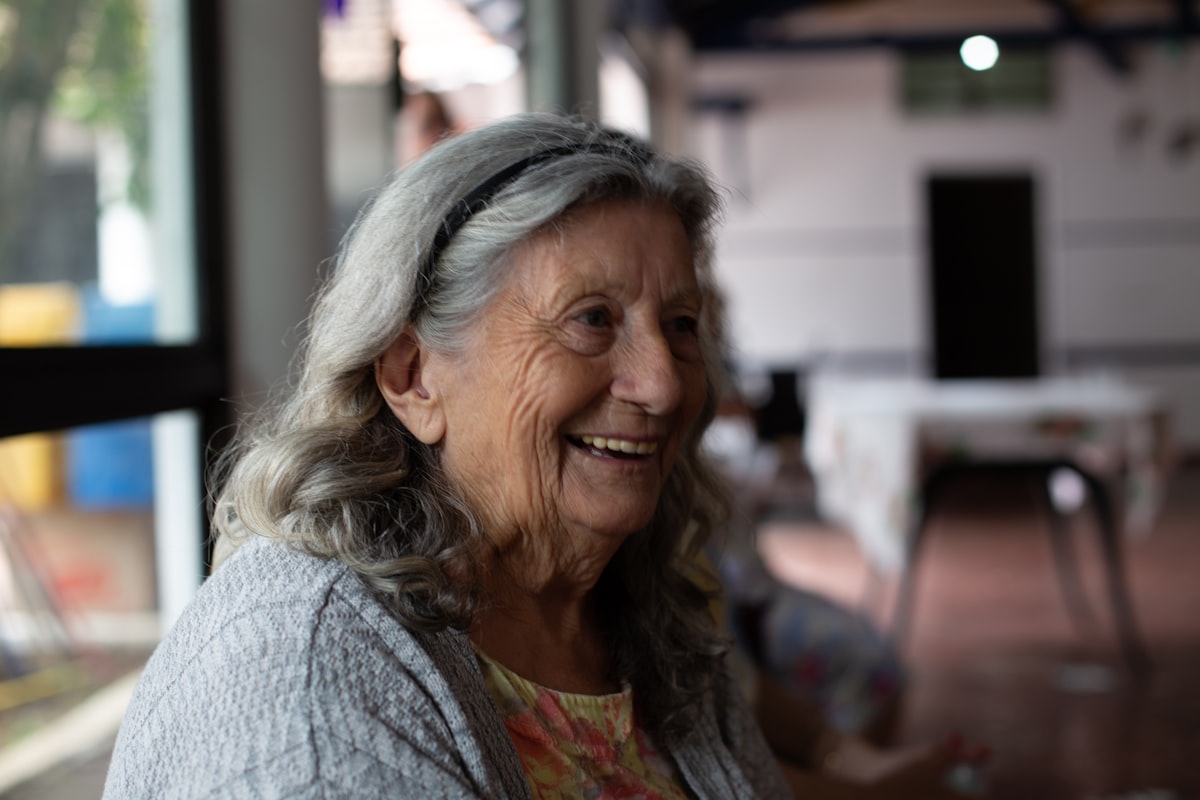
Loneliness shouldn’t be part of the care plan.
More than half of assisted living residents report feeling lonely. Hours pass between visits with little conversation, and the research is clear: social isolation in older adults raises the risk of dementia, depression, and earlier mortality.
Sources: J Am Med Dir Assoc (loneliness prevalence in long-term care); National Academies of Sciences, Engineering, and Medicine, 2020 (social isolation and dementia risk).
What changes
What a community may enable for residents once a pilot is live.
Facility-Led Introduction
Residents and proxies can ask about Sevah, but the real buyer is the community. Assisted living teams evaluate whether Companion fits the floor, workflow, and pilot scope.
Conversation Between Rounds
Stories, orientation, check-ins, and familiar conversation can help the quiet hours feel less empty without pretending the device is a self-serve consumer product.
Context For Staff Review
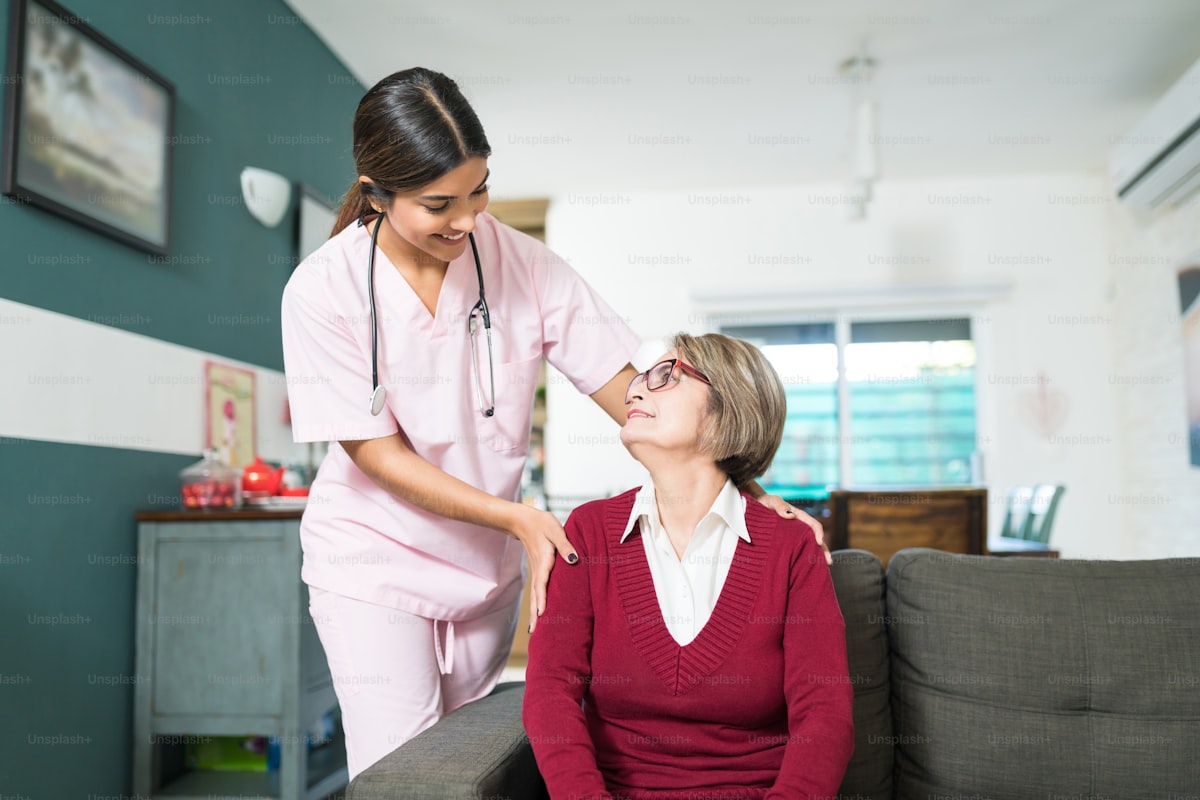
Companion can surface observations for staff review so the resident experience and the care workflow stay connected.
Clear Expectations For Families
This page is for families and proxies who need to understand the deployment path honestly: community evaluation first, resident benefit second, no direct-to-resident purchase promise.
Illustrative moments
Sample companion moments across the day.
These lines show the kind of interaction Sevah is aiming for inside a community-enabled workflow. They are examples, not transcripts from a named deployment.
7:00 AM
“Good morning. How did you sleep?”
A real greeting before the cart comes through.
9:30 AM
“Breakfast should be here soon. Do you want the blinds open first?”
Simple room-aware conversation, not a clinical promise.
12:00 PM
“You were telling me about your sister yesterday.”
Picks up a familiar thread instead of starting from zero.
3:00 PM
“Would you like music, quiet, or another story for a while?”
Offers companionship without pretending to replace family.
6:00 PM
“Dinner in twenty. Want me to put on the radio until then?”
Routine, without the institutional tone.
9:00 PM
“I'm here if you need anything tonight. Just say my name.”
Available during overnight hours when a community enables that workflow.
Discovery themes.
Synthesized themes from discovery conversations with residents, staff, and family members. These are not attributable testimonials or pilot outcome claims.
Theme
Residents respond to familiar conversation.
In discovery, people consistently described the emotional lift of being greeted, remembered, and spoken to in a calmer rhythm during long quiet stretches.
Discovery synthesis, presented without attribution to avoid implying a named testimonial or measured deployment proof.
Theme
Staff want context, not another noisy dashboard.
Care teams described the value of structured observations that can be reviewed in context, instead of forcing late-shift reconstruction from memory alone.
Discovery synthesis, presented without attribution to avoid implying a named testimonial or measured deployment proof.
Theme
Families want fewer unanswered questions between visits.
Family members repeatedly described uncertainty between calls and visits, which is why the public story needs to stay clear about what a community may enable versus what Sevah has already proven publicly.
Discovery synthesis, presented without attribution to avoid implying a named testimonial or measured deployment proof.
FAQ
Questions residents and families ask
What is a Sevah AI care companion?
It's a voice-first companion that an assisted living community can evaluate for residents who want more conversation, orientation, and check-ins between visits. This page explains that community-led model rather than offering a direct resident signup.
Does the companion replace nurses or caregivers?
No. Companion adds presence between human visits and surfaces observations for the care team. It does not make clinical decisions or replace resident-facing staff.
Is the companion always listening or recording?
Companion listens when the patient speaks and may use camera-based vision context to understand the room. Vision inputs are processed in-memory and discarded, and video recordings are not stored.
Can a resident with hearing loss understand it?
Companion is tuned for age-related hearing loss, with speech settings designed to be easier to follow without frequent repetition.
How does a resident or proxy actually get Sevah into a community?
Residents, families, and proxies can introduce Sevah to an administrator, care leader, or care team contact. Deployment happens through community evaluation and pilot planning, not a direct consumer checkout flow.
Help your community evaluate Sevah
Companion is being introduced with assisted living communities evaluating new resident-experience and wellness workflows. If you want to connect Sevah to the right community contact, we'll help make that introduction clear.
Community operators evaluating a pilot should use the main site pilot path instead.